14 min read

Your Token Budget Is a Security Control
Most teams treat token spend limits as cost management. They are blast radius containment. An autonomous agent with no spending ceiling is not a productivity tool — it is an uncontrolled liability.
Thoughts on safe autonomy, engineering automation, and reducing cognitive overhead without putting your systems at risk.
Most teams treat token spend limits as cost management. They are blast radius containment. An autonomous agent with no spending ceiling is not a productivity tool — it is an uncontrolled liability.
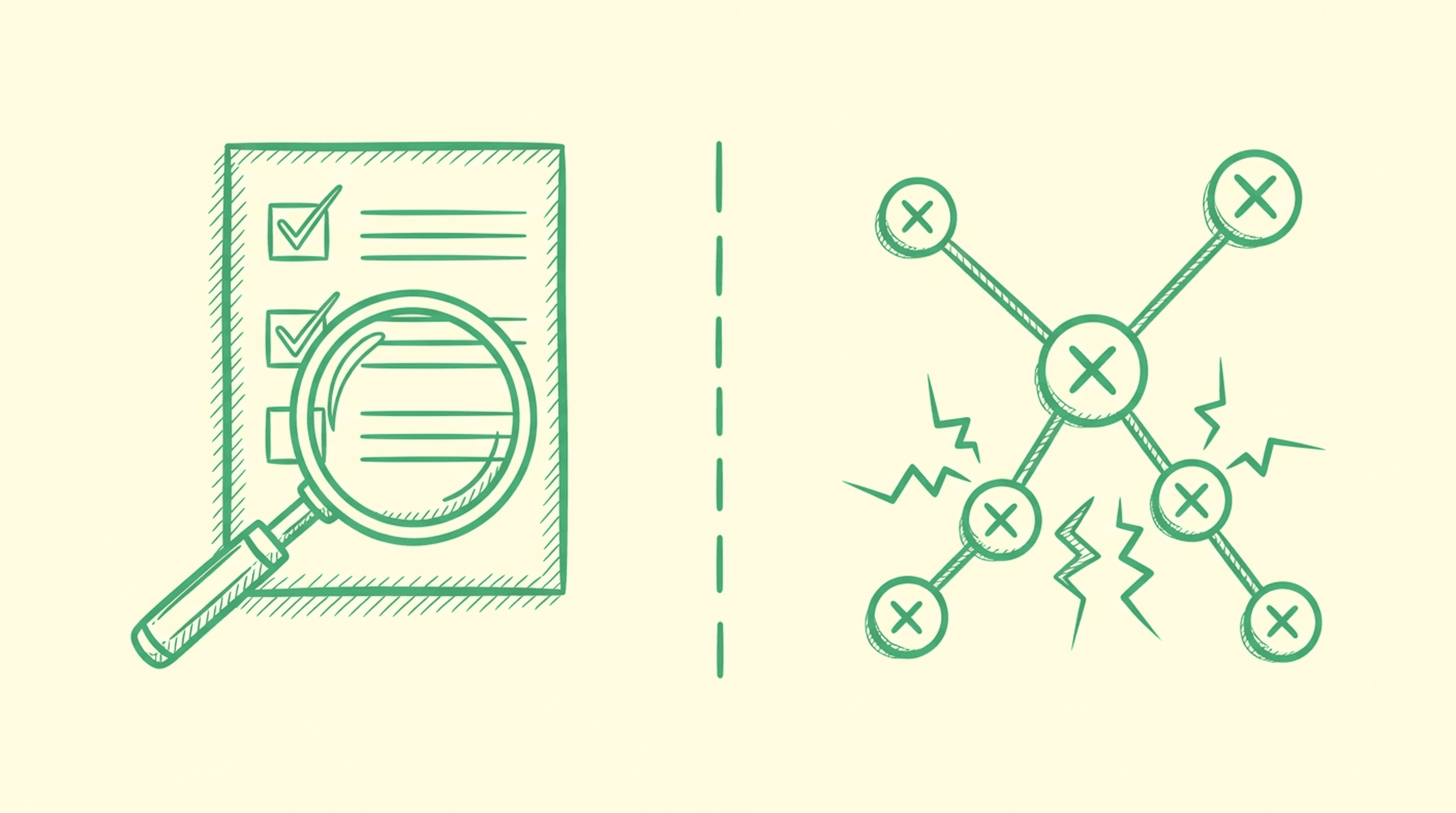
Traditional SAST, DAST, and SCA tools were built for request-response architectures. Agent-first systems have vulnerability classes these tools were never designed to detect — and independent research just confirmed it.
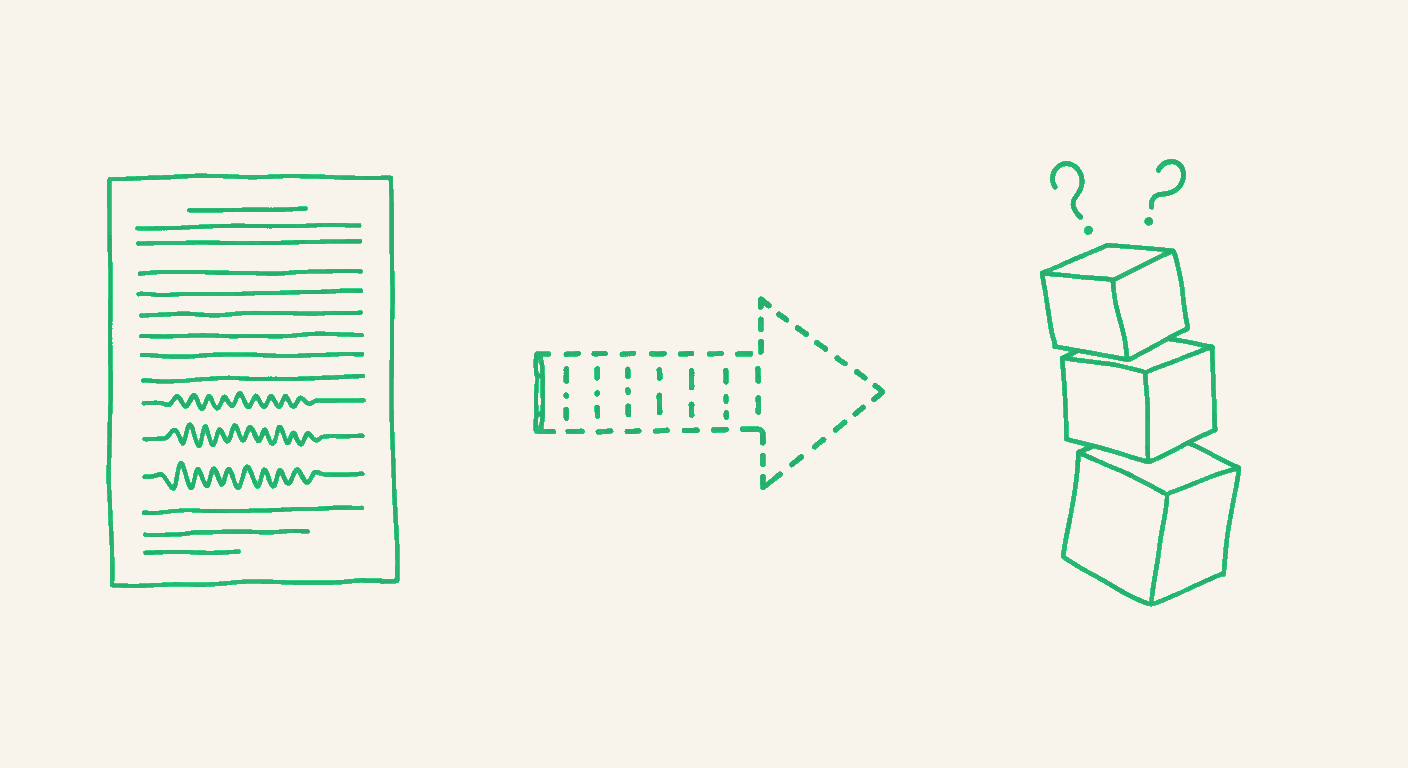
Ambiguous specifications aren't just a project management problem anymore. In agent-first architectures, every gap in a spec is a potential security boundary violation — and the agent won't tell you it's guessing.
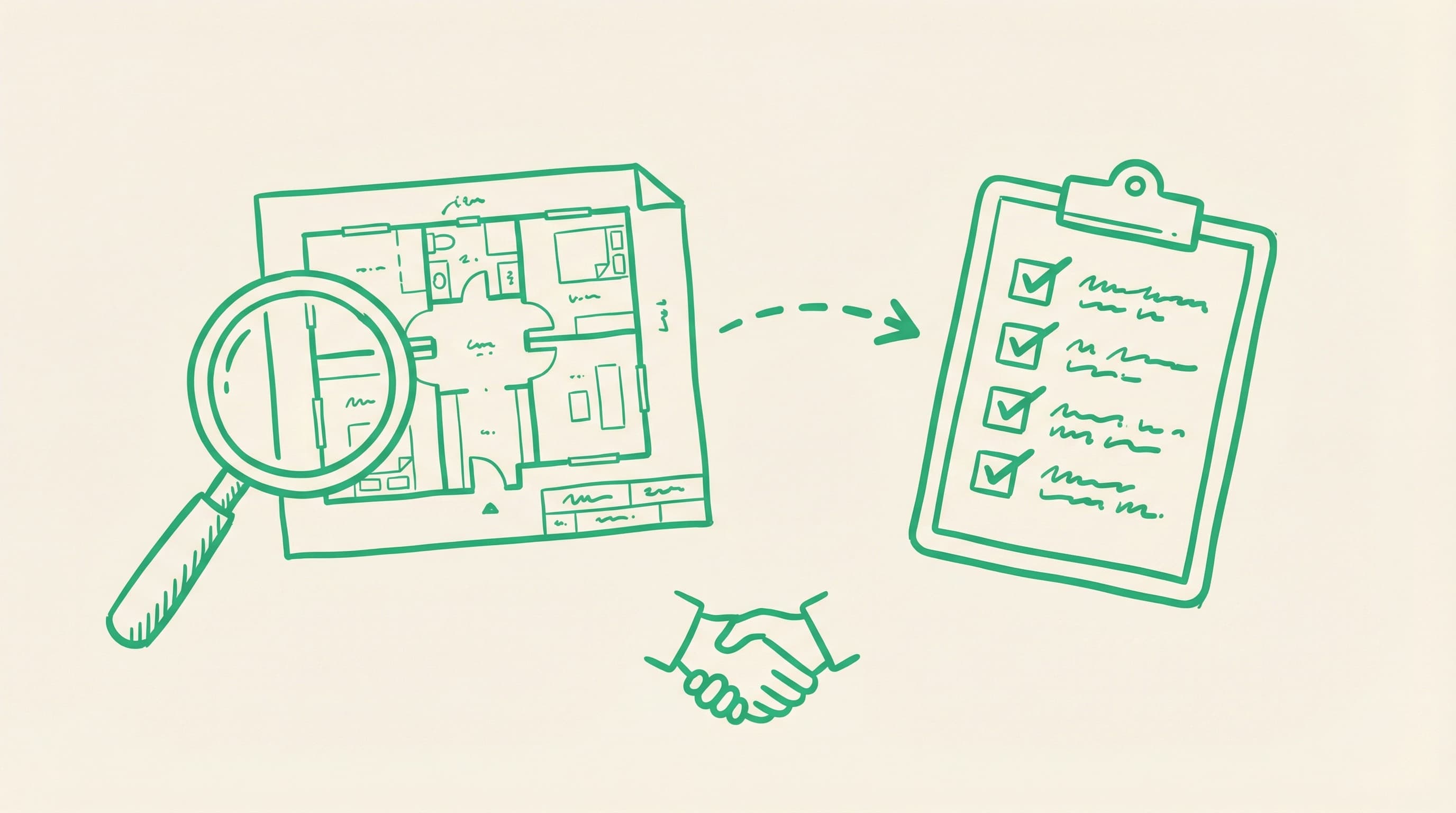
What an automation engagement with Atypical Tech actually looks like — from discovery through validation. No paved cow paths, no automation theater, no surprises.
OWASP released its first Top 10 for Agentic Applications. Here's what each risk means, why traditional AppSec frameworks fall short, and how to start securing your AI agents today.
What a security engagement with Atypical Tech actually looks like — from the first call to the final deliverable. No mystery, no overhead, no surprises.
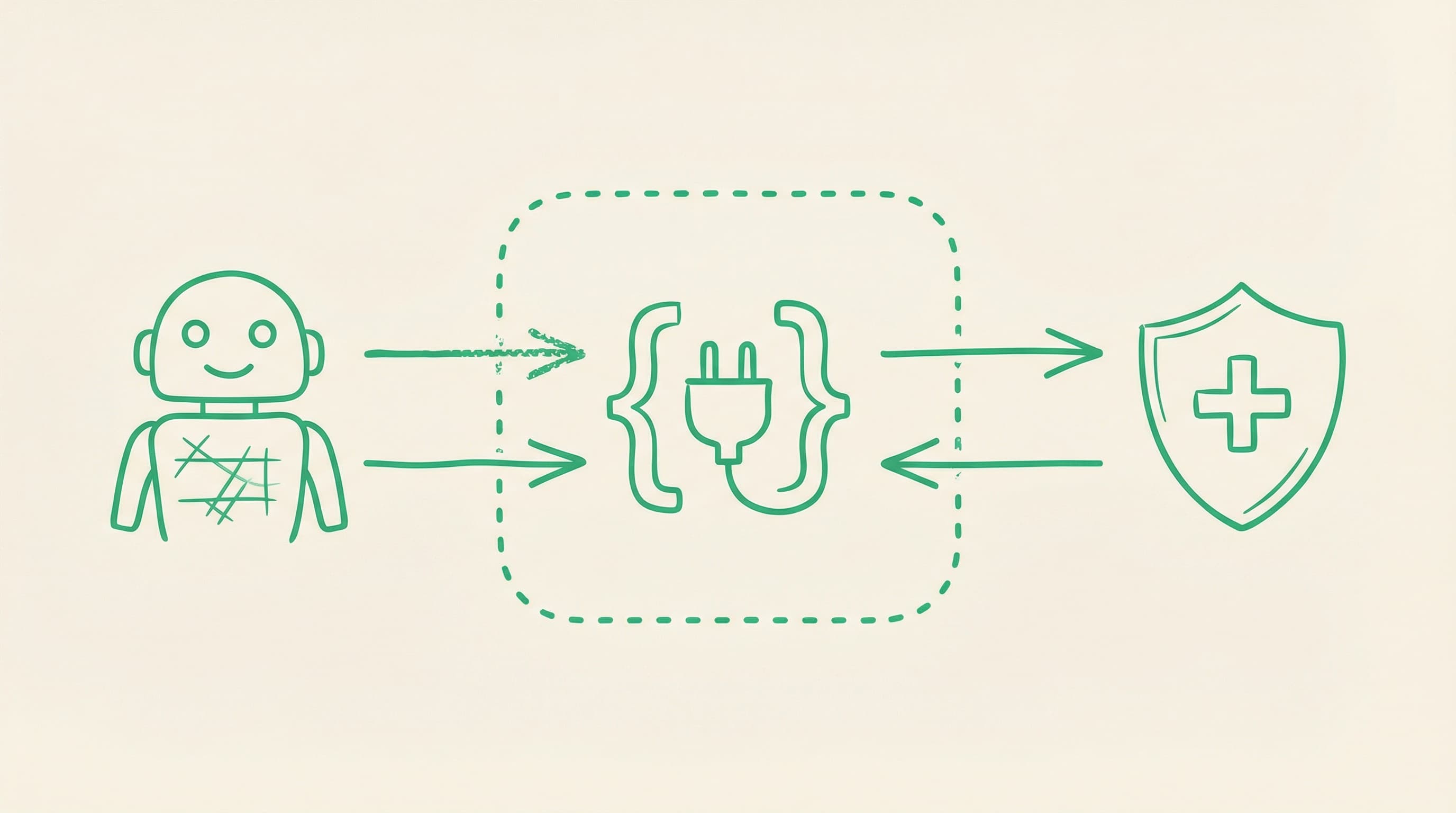
Every tool an agent can call is an attack surface. In agent-first architectures, the integration layer is the primary security boundary — and most teams aren't treating it that way.
The trap a16z identified for FDE-model startups is identical to the trap facing AI agent deployments.
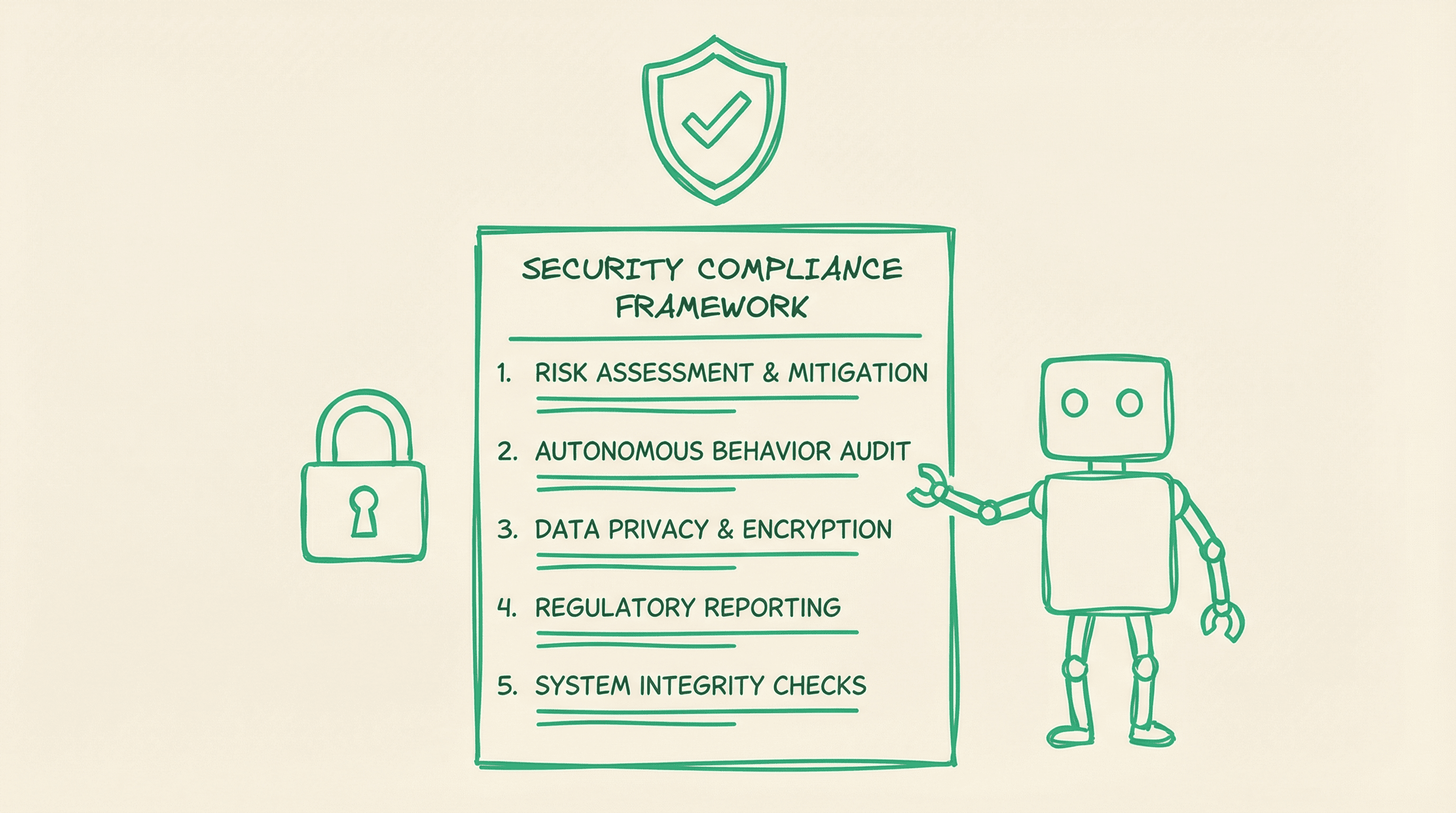
How the Safe Autonomy framework applies to vulnerability triage, alert correlation, compliance evidence, and security testing. AI agents can multiply your security team—if you build the right guardrails.
Right-sized security for seed-to-Series-B. What actually matters, what can wait, and the mental model that scales.
Autonomy concentrates responsibility. Here’s why every agent needs a named human owner and runtime governance controls.
The integration surface isn’t an implementation detail — it’s the boundary that determines what autonomy can safely do.