Services
We secure the AI agents you put into production. Everything else we do (AppSec, DevSecOps, automation) is the foundation that makes that possible, and the proof we can do it.
Most shops bolt “AI security” onto an existing practice. Atypical's founder built the practice on it. He secured an agent before he offered to secure anyone else's.
Agent security is the spearhead. The rest of this page is the security engineering underneath it: years of keeping software safe to ship, now pointed at the newest, most dangerous thing in your stack.
You can't secure what an agent does until you've secured how everything around it works.
THE SPEARHEAD
AI AGENT SECURITY
Secure the agent before it acts, not after it acts wrong.
Who it's for
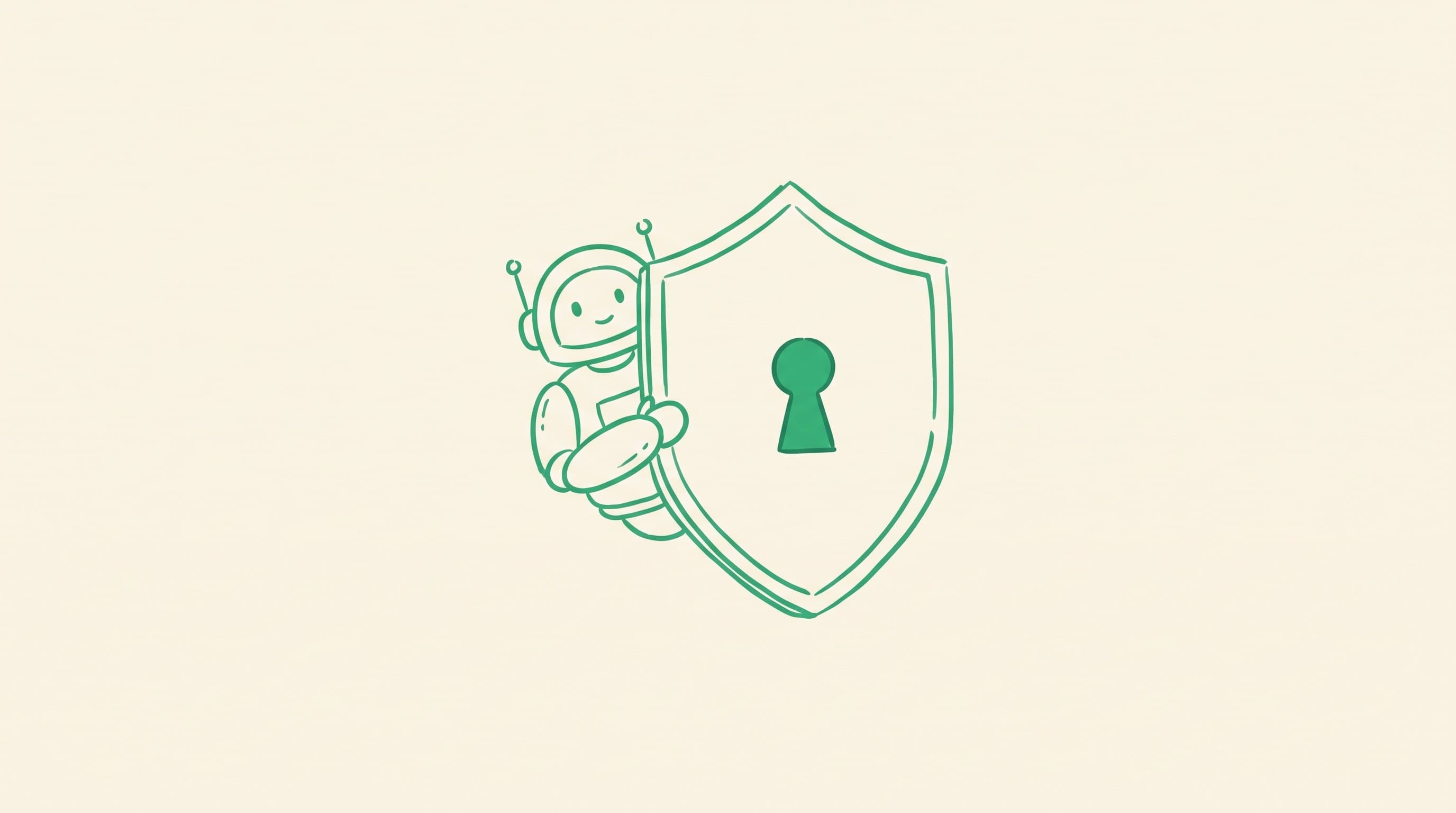
Engineering and platform leaders shipping agentic features. Technical founders putting an AI agent in the critical path, with production access, API keys, and the authority to act on its own. It doesn't run a fixed script; it uses judgment, deciding what to do from the context in front of it. That's the point, and the risk.
An agent that can do anything is an incident waiting for a trigger.
We design for the failure modes unique to agents, not just credential hygiene: prompt injection, excessive agency, confused-deputy tool calls, and data exfiltration through the agent itself. For a worked example (how scoping an agent's own identity and keys defeats a prompt-injected tool call), see the founder's story.
What it includes
- Agent threat modeling. The agent-specific attack paths: prompt injection, excessive agency, confused-deputy tool calls
- Identity & least-privilege design: its own credentials, not a human's
- Tool & capability scoping: a small, deliberate blast radius
- Boundaries & escalation: hard limits, and a human in the loop where the stakes demand it
- Observability: every action logged and attributable
Outcomes
- An agent scoped to its job and nothing more
- Credentials and identity that contain the blast radius
- An audit trail built for the questions your auditors actually ask
- Confidence to expand autonomy instead of fearing it
Deliverables
- A written agent threat model: the attack paths specific to your agent, ranked
- A least-privilege identity & scoping design: its own credentials, keys, and tool boundaries
- An observability plan: what to log so every action is attributable
- A prioritized remediation plan: what to fix before you expand autonomy
Engagements start with a fixed-scope agent threat-model assessment: a defined deliverable and timeline, not an open-ended retainer, with the option to continue into implementation. It's senior, hands-on work from the engineer who built and secured the agent himself, so only a small number run at a time.
THE METHOD
SAFE AUTONOMOUS SYSTEMS
This is how we secure an agent: the ROBOT framework, applied.
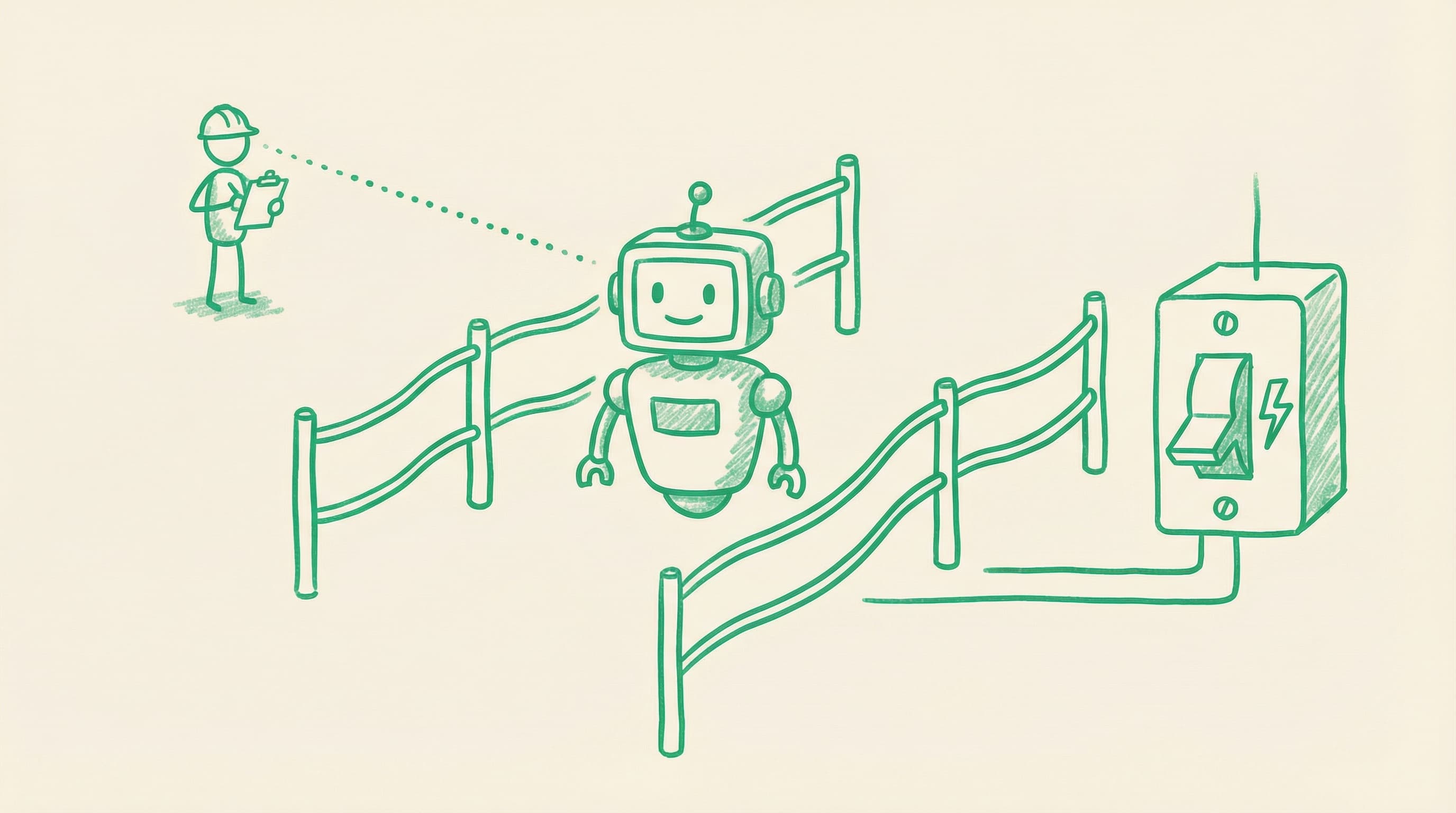
Built on the ROBOT Framework, our methodology for designing production-ready agentic systems through five pillars: Role, Objectives, Boundaries, Observability, and Taskflow.
AI capabilities accelerate with every model release. The gap between organizations with safe autonomous systems and those without grows with each one. We design systems that absorb continuous capability jumps without breaking.
Who it's for
Engineering and security leaders ready for deeper autonomy but unwilling to compromise on safety. Platform teams exploring AI and automation at scale. Organizations that need to do more with existing resources.
What it includes
- Autonomy rules and decision boundaries
- Failure mode analysis and handling
- SDLC integration for safe deployment
- Rollback and circuit-breaker patterns
- Human-in-the-loop checkpoints
Outcomes
- Expanded automation scope with maintained safety
- Clear understanding of system boundaries
- Confidence in autonomous operation
- Less manual oversight at scale
Deliverables
- Architecture diagrams and decision documentation
- Autonomy policies and constraint definitions
- Failure mode runbooks
- Integration guidance for your SDLC
- Operational playbooks
THE FOUNDATION
Agent security is the spearhead. These are the disciplines behind it: the security engineering we've done for years, and the reason the new work holds up. They're not just proof: we still take this work on directly, for teams who need it.
A spearhead with nothing behind it is just a sharp rock.
APPSEC CONSULTING
Security expertise on demand.
Who it's for
Teams without dedicated security staff. Startups preparing for compliance audits. Engineering organizations that need security expertise without a full-time hire.
Threat models change with every major AI capability release. We design security programs that absorb these shifts, not assessments that expire the week after delivery.
What it includes
- Threat modeling for new features and architectures
- Secure code review and remediation guidance
- Security requirements for product teams
- Vulnerability assessment and prioritization
Outcomes
- Clear understanding of your security posture
- Prioritized remediation roadmap
- Security-aware engineering culture
- Compliance-ready documentation
SECURITY ARCHITECTURE
Design reviews that find problems before production.
Who it's for
Teams designing new systems or evaluating existing ones. Organizations preparing for SOC 2, HIPAA, or other compliance frameworks.
What it includes
- Architecture review against security best practices
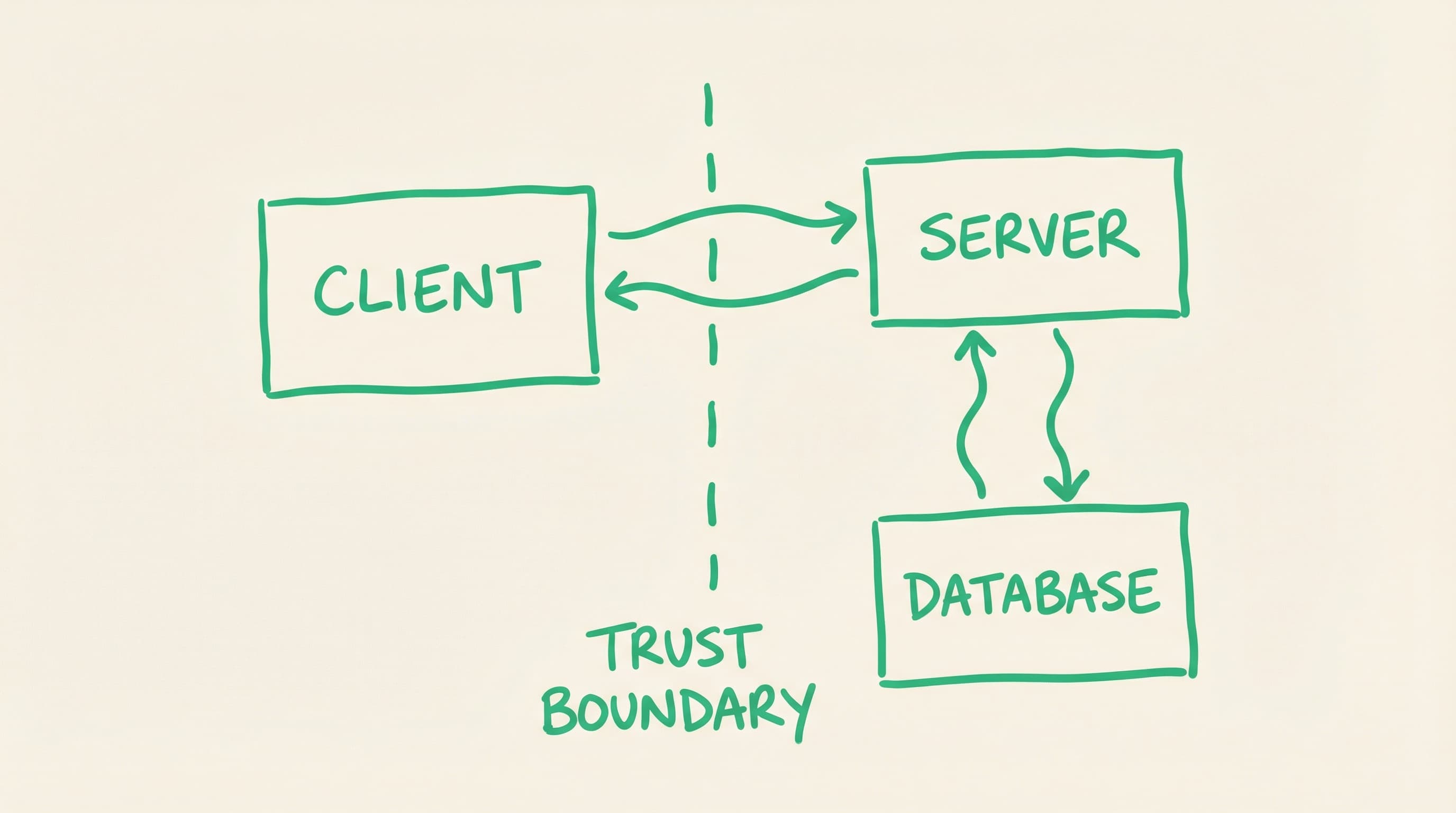
- Data flow analysis and trust boundary mapping
- Authentication and authorization design review
- Cloud infrastructure security assessment
Outcomes
- Documented security architecture
- Identified risks with severity ratings
- Remediation recommendations
- Reference architecture for future builds
DEVSECOPS DESIGN
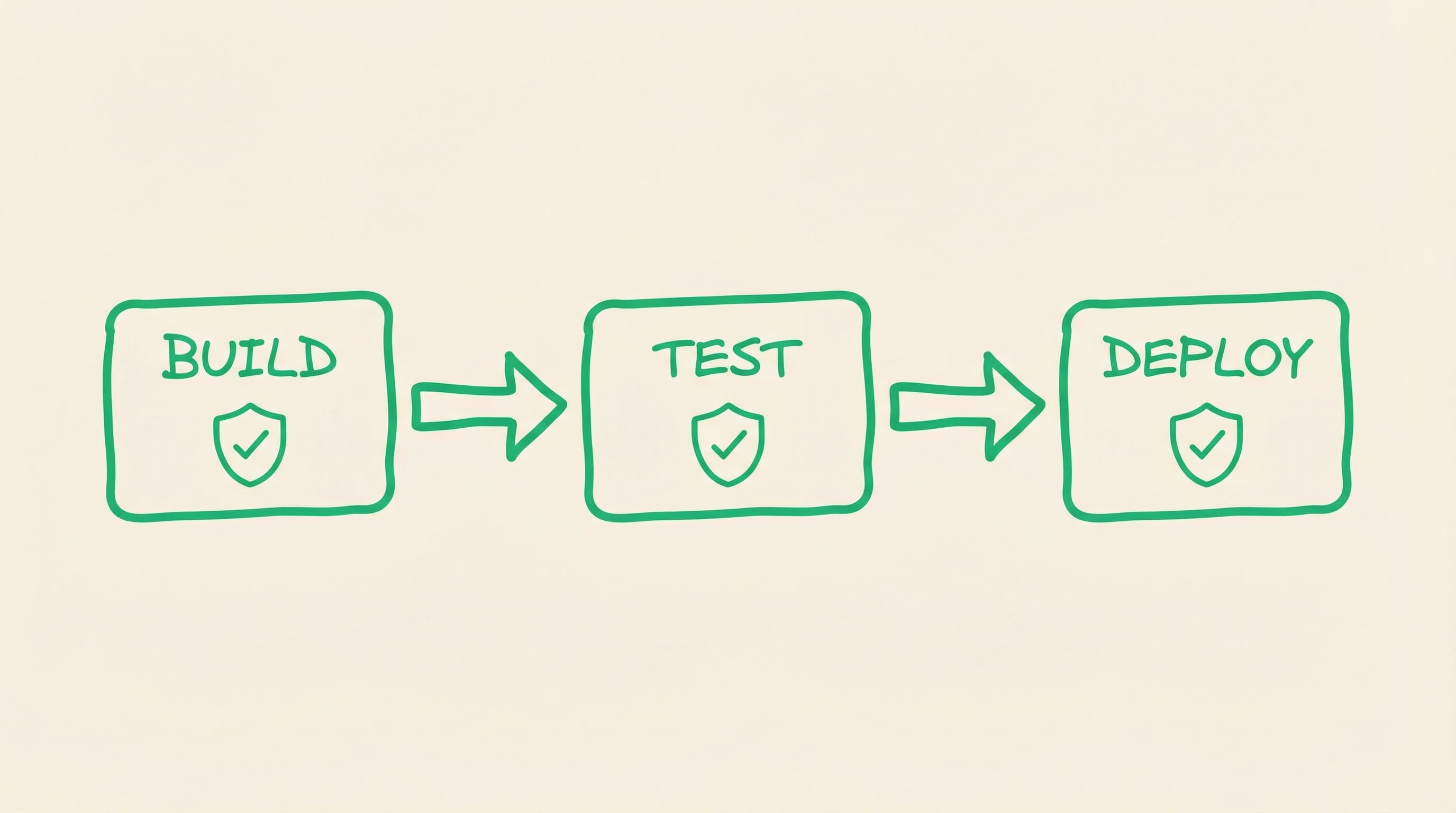
Shift left without slowing down.
Who it's for
Platform and DevOps teams integrating security into CI/CD. Organizations wanting to catch issues earlier without adding friction.
What it includes
- SAST/DAST/SCA tool selection and configuration
- Security gate design for CI/CD pipelines
- Container and infrastructure-as-code security
- Secret management architecture
Outcomes
- Automated security checks in your pipeline
- Reduced manual security review bottlenecks
- Developer-friendly security feedback loops
- Audit-ready CI/CD documentation
SECURITY PROGRAM ADVISORY
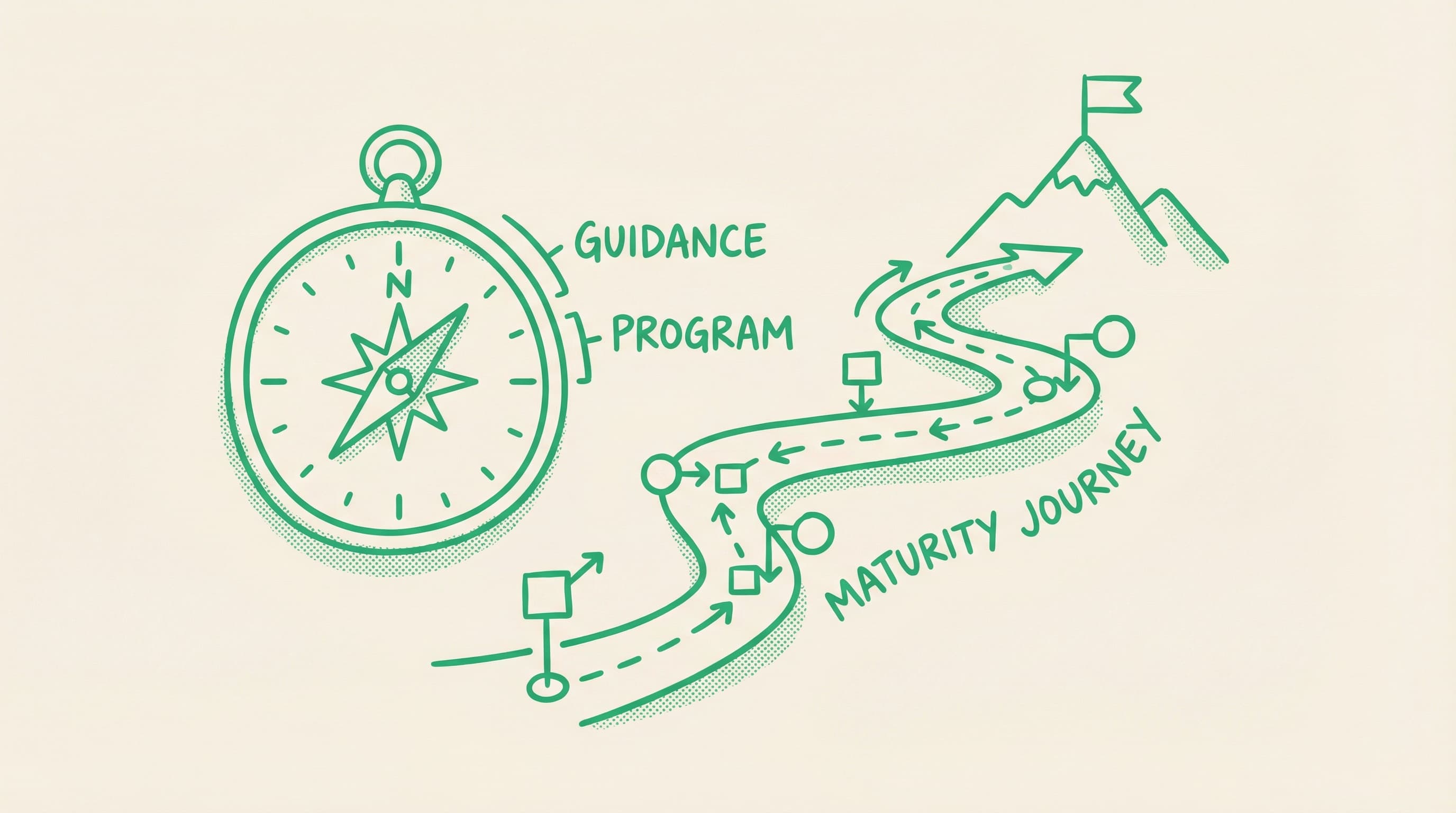
Right-sized security for your stage.
Who it's for
Technical founders building security foundations. Engineering leaders establishing security practices for growing teams.
What it includes
- Security policy and standards development
- Vendor and tool evaluation
- Security hiring guidance
- Incident response planning
Outcomes
- Security program appropriate for your stage
- Clear security roadmap
- Foundation for scaling
- Reduced compliance burden
INTELLIGENT REVIEW PIPELINES
Clearer signals, reduced noise, audit trails.
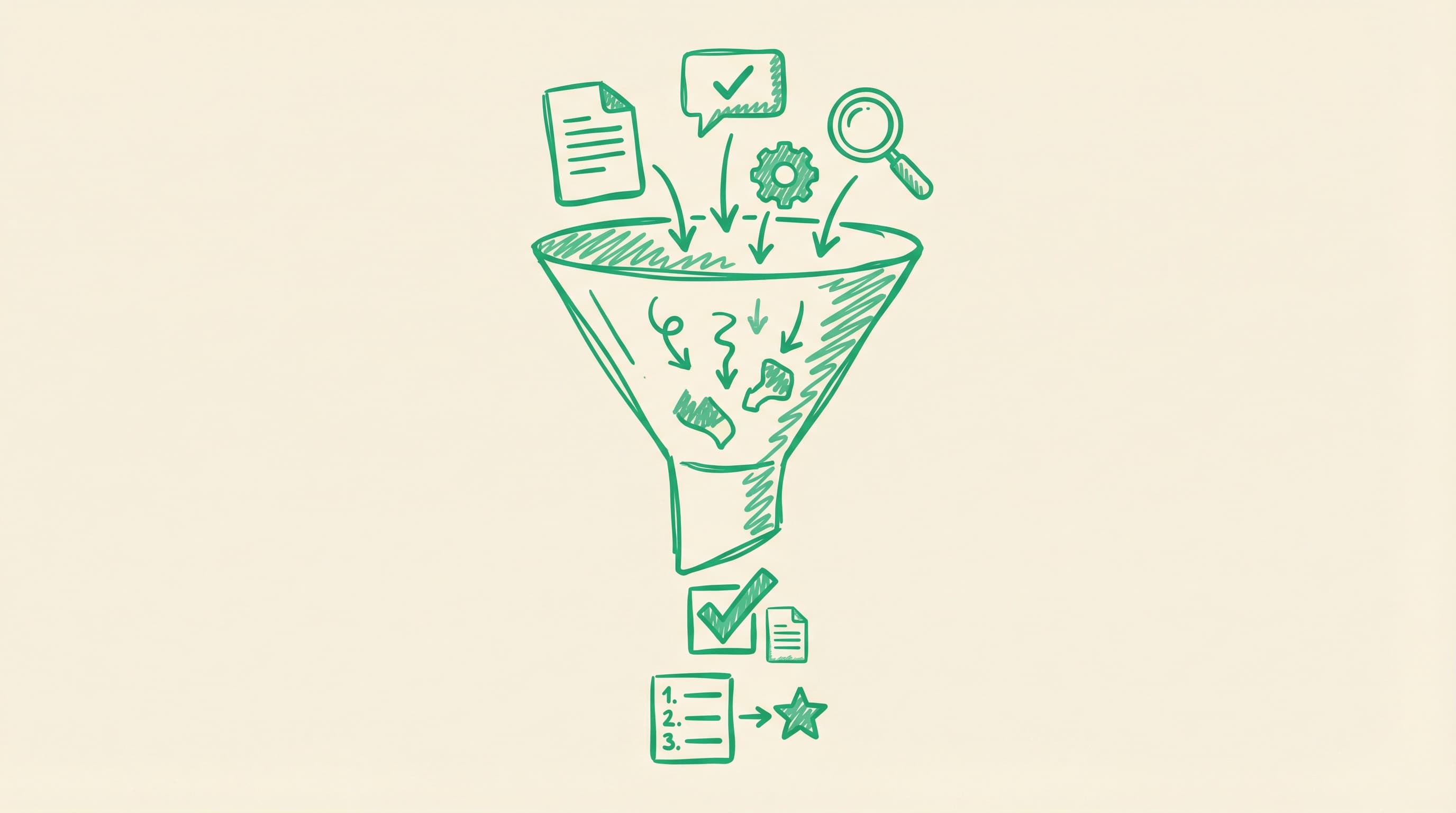
In practice: Before founding Atypical, our founder built an AI vulnerability-triage agent at a large enterprise software company. It worked through a backlog the team could never clear by hand, cut manual review dramatically, and (the part that mattered) got engineers trusting the results instead of drowning in noise.
Who it's for
Teams overwhelmed by alert fatigue and manual triage. Security groups that need to process more findings without adding headcount. Anyone losing important signals in the noise.
What it includes
- Detection and ingestion from multiple sources
- Automated context gathering and enrichment
- Risk scoring based on your criteria
- Escalation rules and routing logic
- Audit trail for all decisions
Outcomes
- Reduced time-to-triage for incoming alerts
- Higher-confidence prioritization decisions
- Consistent handling across team members
- Clear audit trail for compliance and learning
Deliverables
- Pipeline architecture and implementation
- Risk model documentation
- Escalation policy configuration
- Dashboards for visibility
- Runbooks for manual intervention points
MICRO-AUTOMATION BUILDS
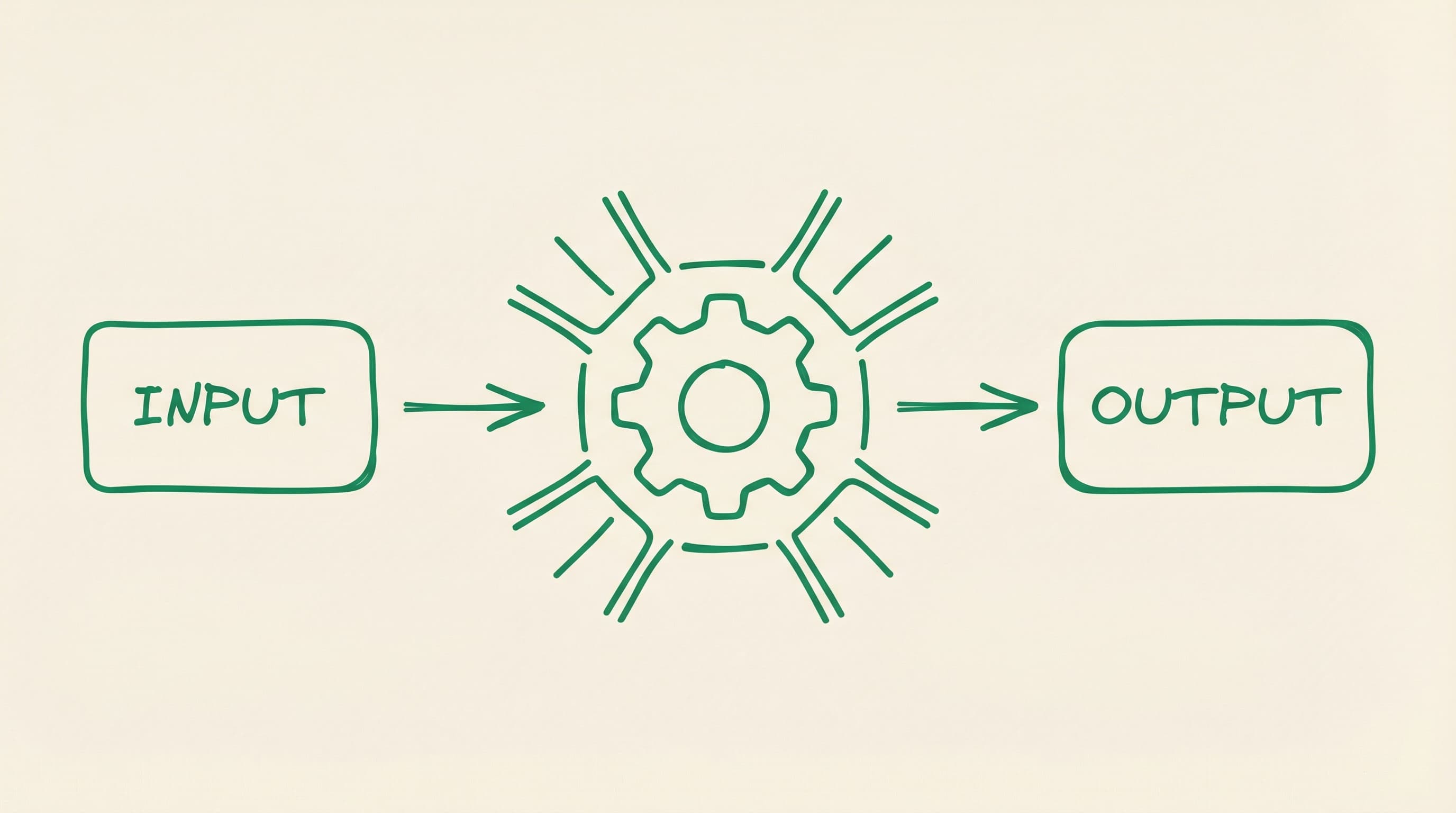
Small, safe automations delivered quickly.
Who it's for
Teams drowning in repetitive manual tasks. Engineering groups that need quick wins to build organizational trust in automation. Anyone spending hours on work that should take minutes.
What it includes
- Focused automation targeting a single, well-defined workflow
- Clear constraints and safety guardrails built in from the start
- Implementation delivered in days, not weeks
- Documentation and runbooks for ongoing operation
Outcomes
- Immediate time savings on repetitive work
- Less context-switching and repetitive manual work
- Low-risk proof point for broader automation initiatives
- Foundation of trust for expanding scope
Deliverables
- Implemented workflow with documented constraints
- Guardrail configuration and safety policies
- Operational runbook
- Metrics for measuring success
HOW WE ENGAGE
Discovery Call
We start with a conversation. What outcomes matter most? Where is manual work consuming the most time? What constraints must we respect? This shapes everything that follows.
Small, Safe Start
We begin with a focused micro-automation. Something valuable, achievable quickly, and low-risk. This proves value and builds trust before expanding scope.
Expand with Trust
As confidence grows, we expand scope incrementally. Each step maintains safety while removing more manual work. The pace is determined by demonstrated success.
The agent's already shipping. The work is making sure it can't ship a disaster.