6 min read
The Tuesday Briefing — Jul 21, 2026
Weekly security intelligence for SMBs. Top threats, quick hits, and one action to take now.
Thoughts on safe autonomy, engineering automation, and reducing cognitive overhead without putting your systems at risk.
Weekly security intelligence for SMBs. Top threats, quick hits, and one action to take now.
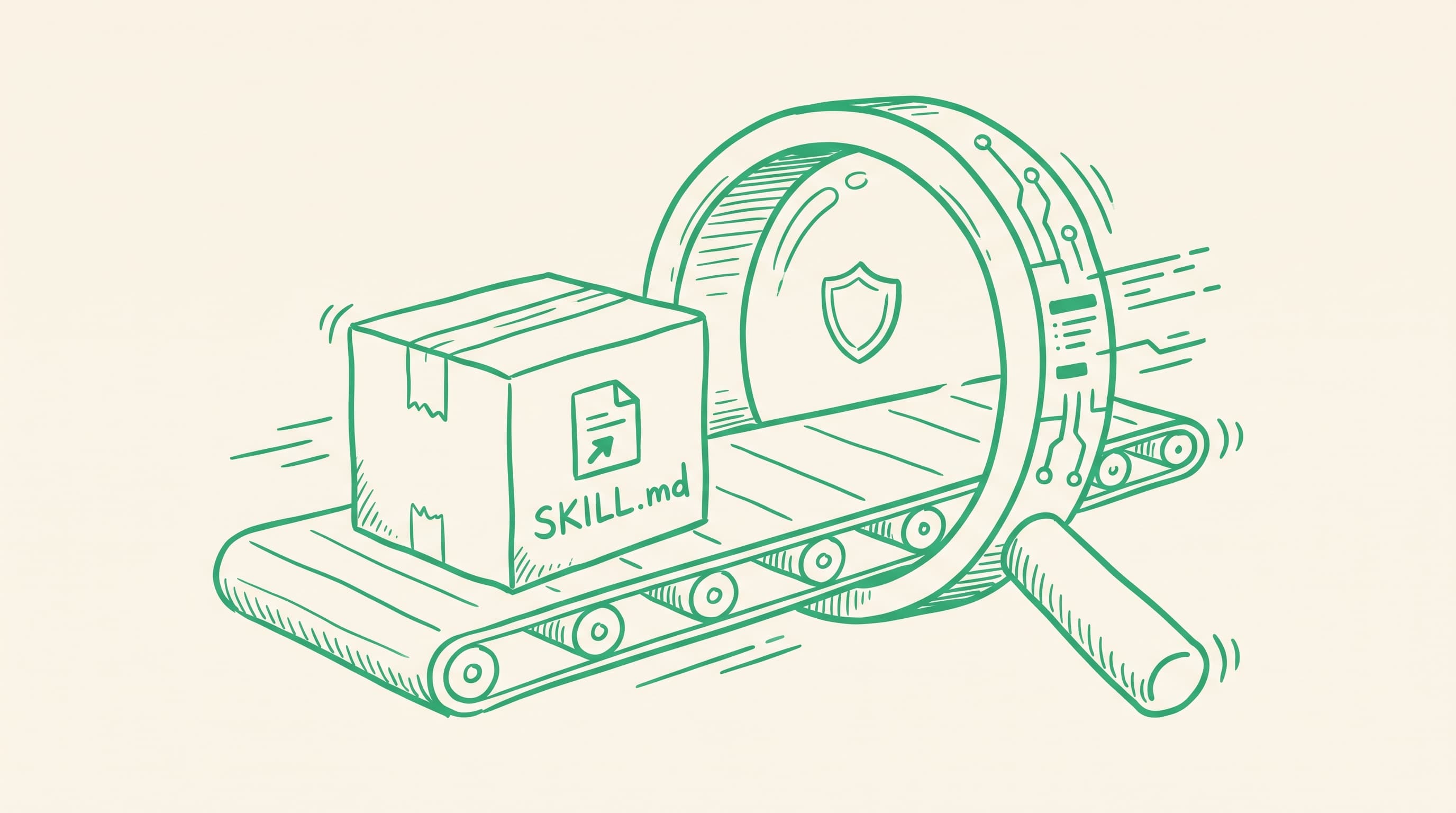
Agent skills are unsigned, executable third-party code — a supply chain most teams install on vibes. How to govern your skill library like one.
Weekly security intelligence for SMBs. Top threats, quick hits, and one action to take now.
The 12-factor-agents spec never says security out loud — yet owning your context window is DLP, a structured tool schema is your authorization point, and a human-contact tool call is your approval gate. Reliability and security are the same seams read twice.
Weekly security intelligence for SMBs. Top threats, quick hits, and one action to take now.
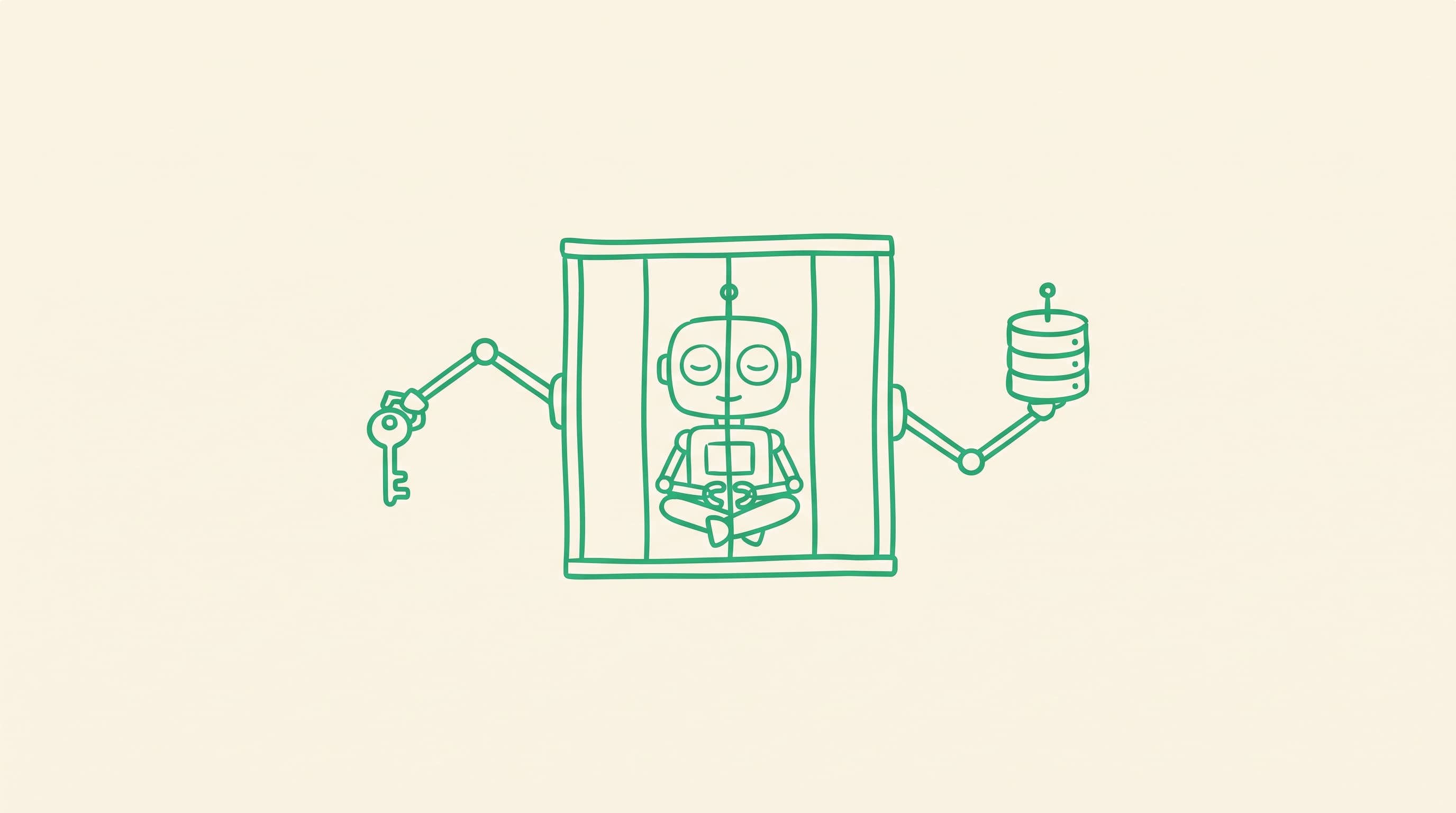
Everyone is auditing the model. The real attack surface is the harness you wrap around it — the scaffolding that wires tools, memory, and control flow into an agent that can actually act.
Weekly security intelligence for SMBs. Top threats, quick hits, and one action to take now.
Anthropic just open-sourced its AI "defender's loop." The real lesson isn't about C code — it's that the bottleneck moved from finding vulnerabilities to trusting what your agents tell you, and that's a governance problem you own.
Weekly security intelligence for SMBs. Top threats, quick hits, and one action to take now.
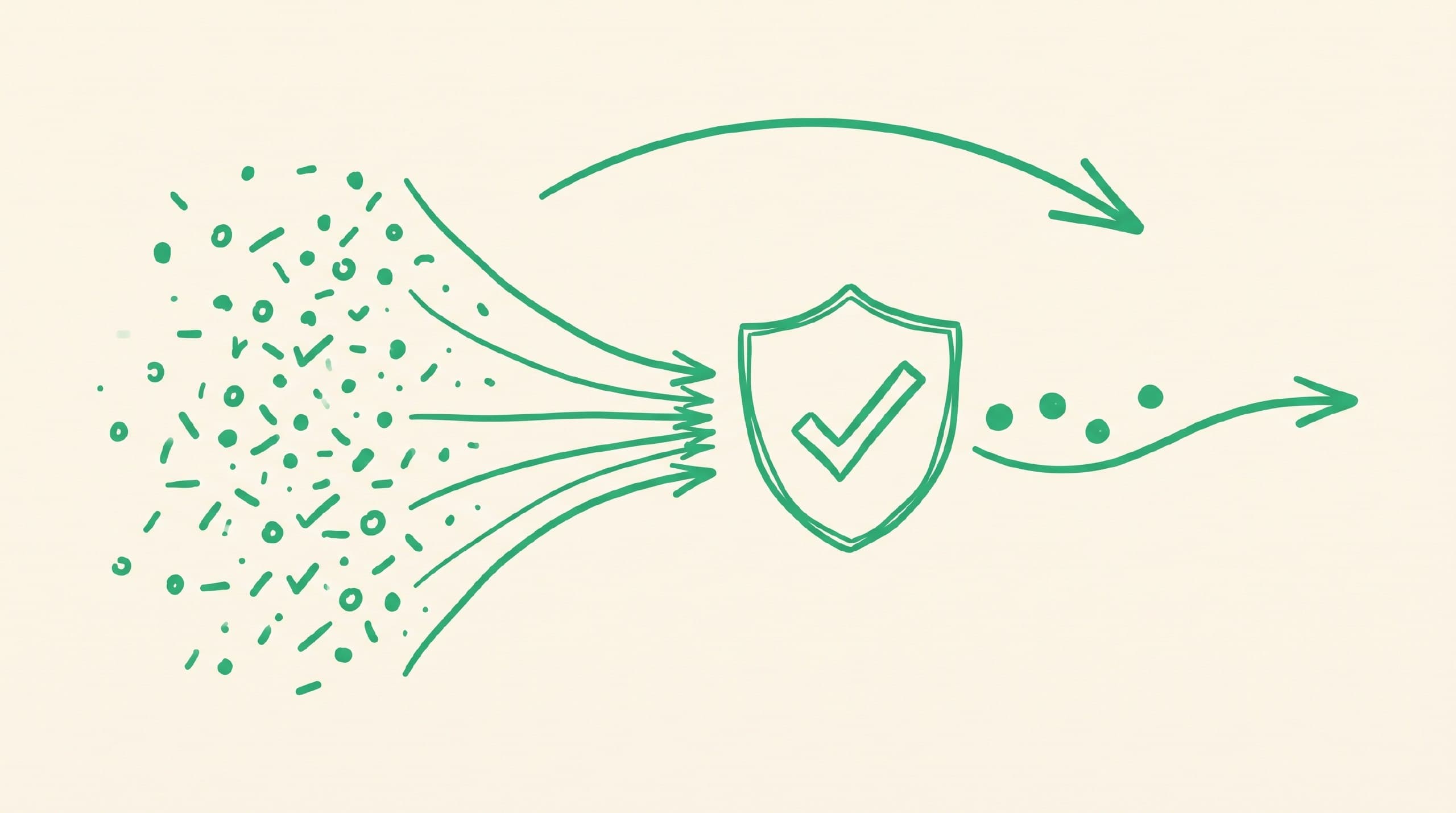
We automated security alert triage to a 97% noise-reduction rate — then a suppression rule went stale and nearly let a production vulnerability through unnoticed.
Weekly security intelligence for SMBs. Top threats, quick hits, and one action to take now.
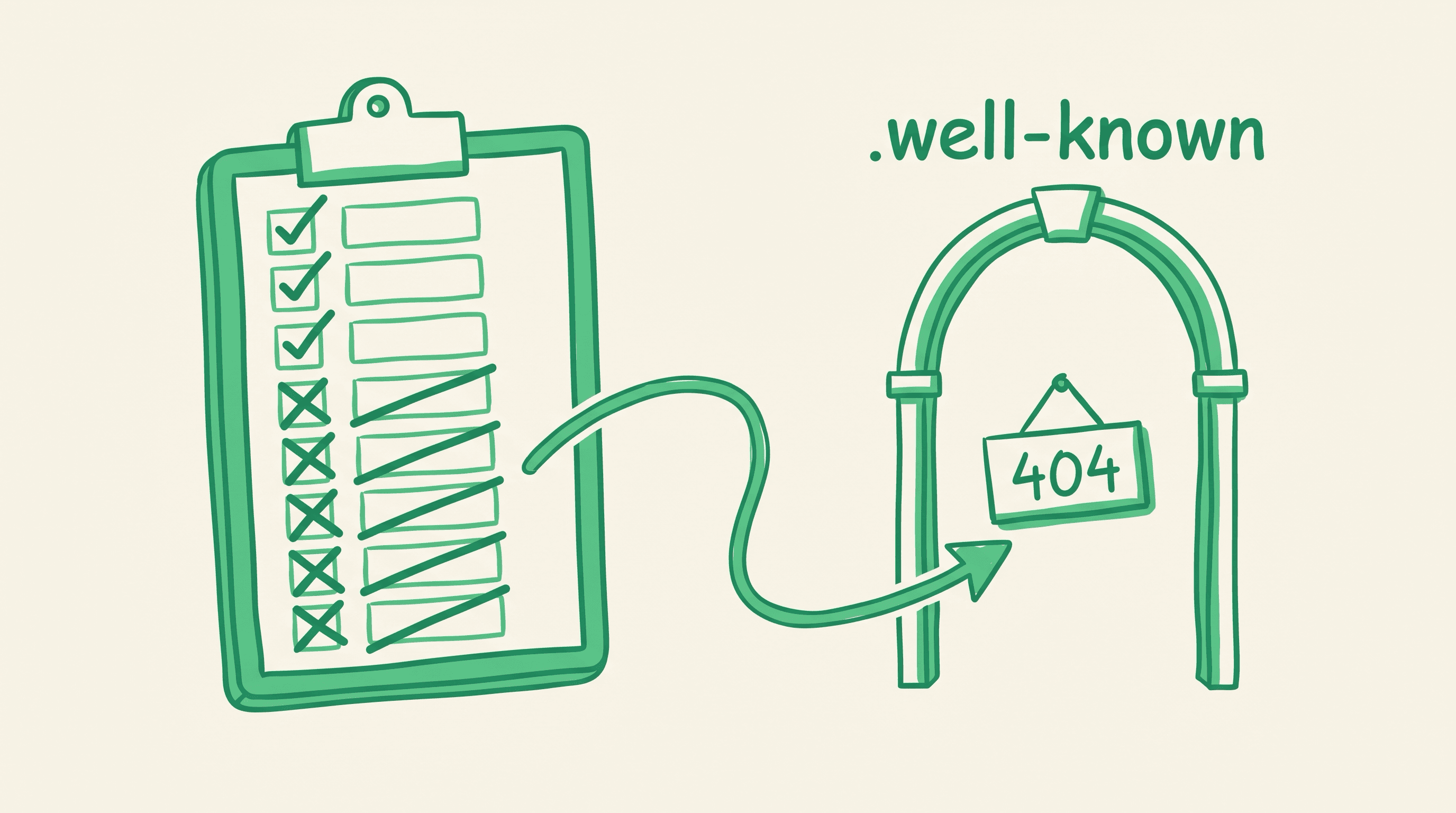
An automated audit gave us nine recommendations for being 'agent-ready.' We shipped three and deliberately failed the other six — because a security firm's agent-readiness is measured by signal honesty, not checkbox coverage.